Justice & Police Museum
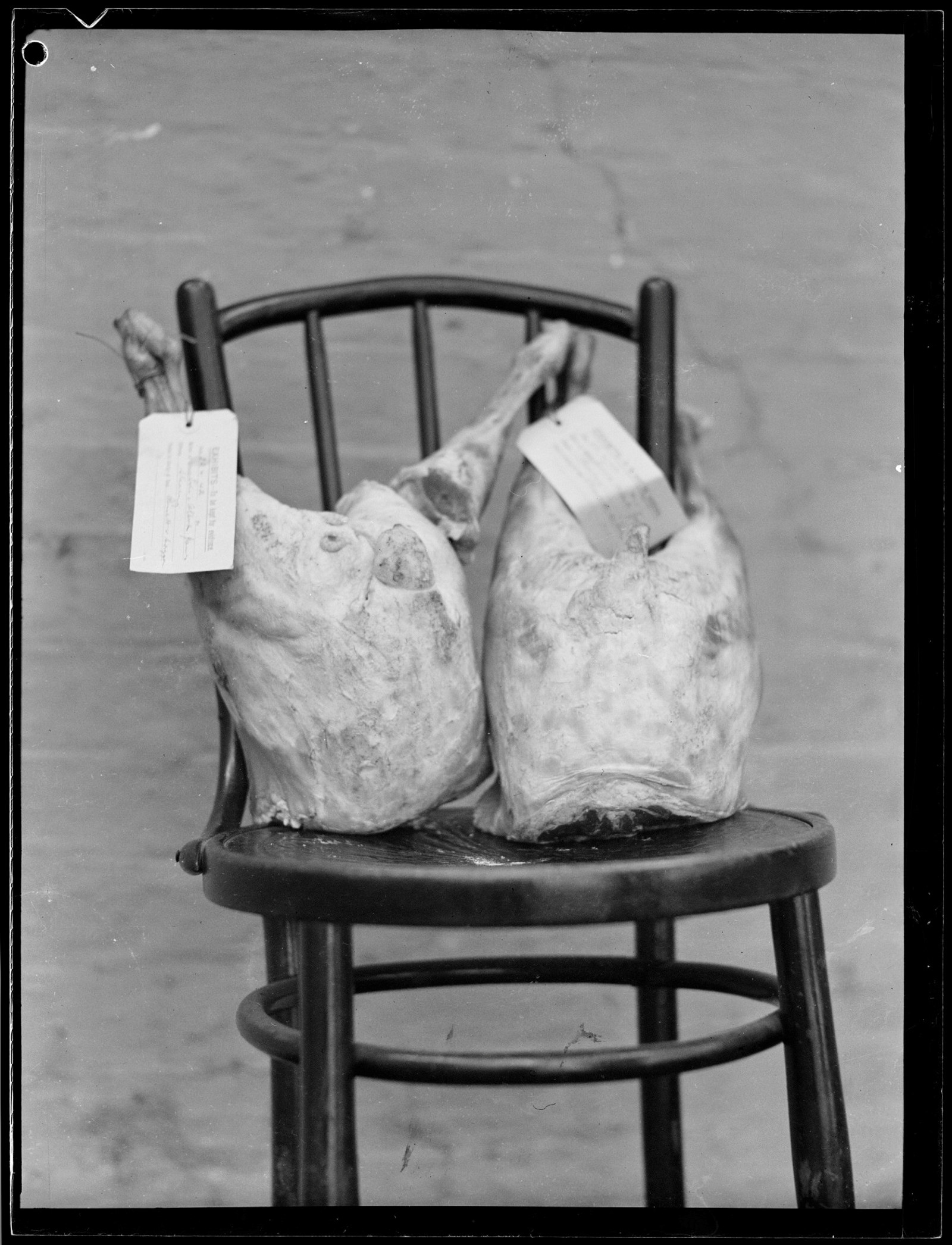
A Christmas crime
As Christmas approached, the Magistrates at the Water Police Court, now the Justice & Police Museum, were often faced with a very seasonal crime – the theft of Christmas hams
Onsite
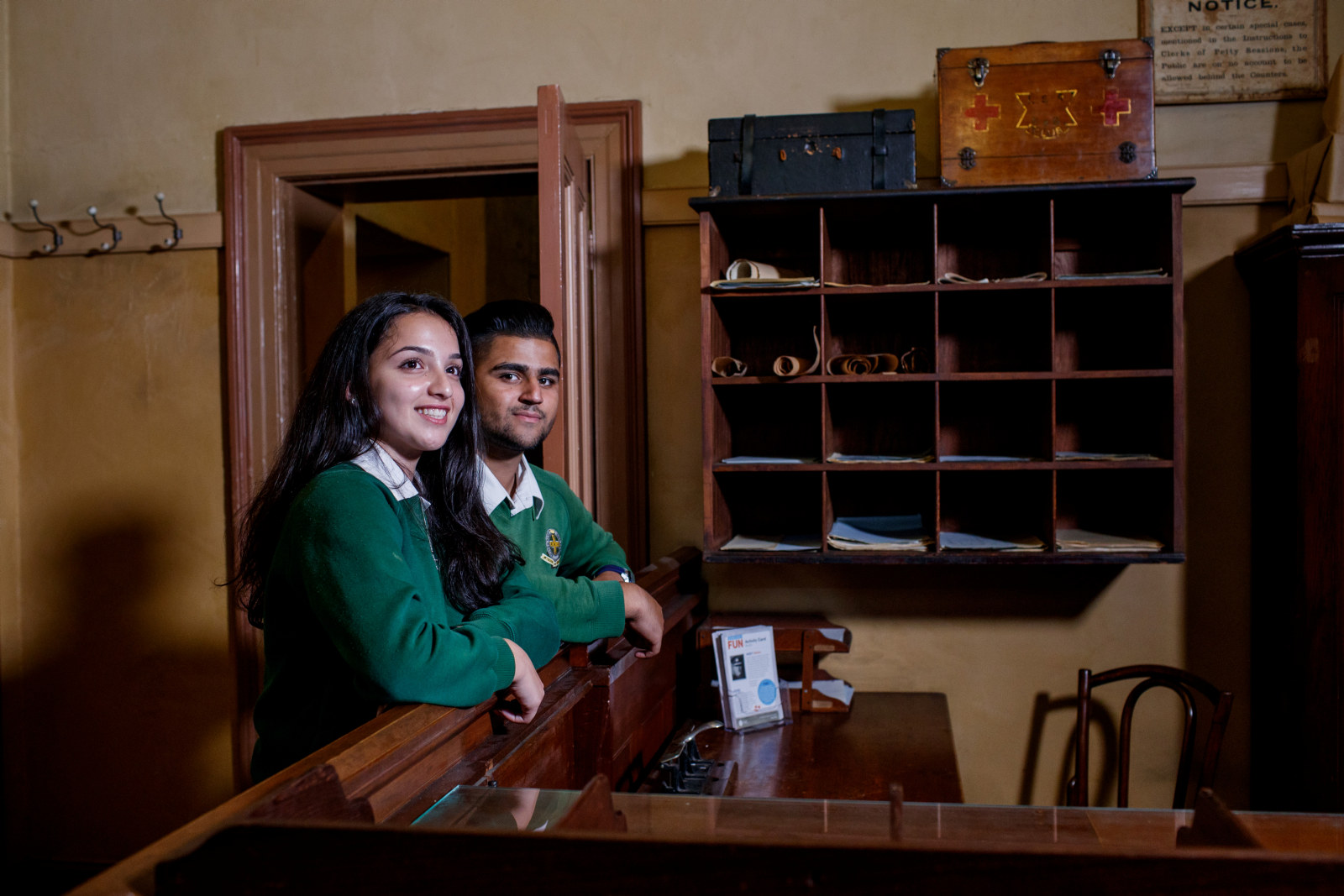
A Trial Run
Within the setting of a historic police station and courthouse, this program gives students the opportunity to develop a deeper understanding of the interrelationships between the law and society
WW1
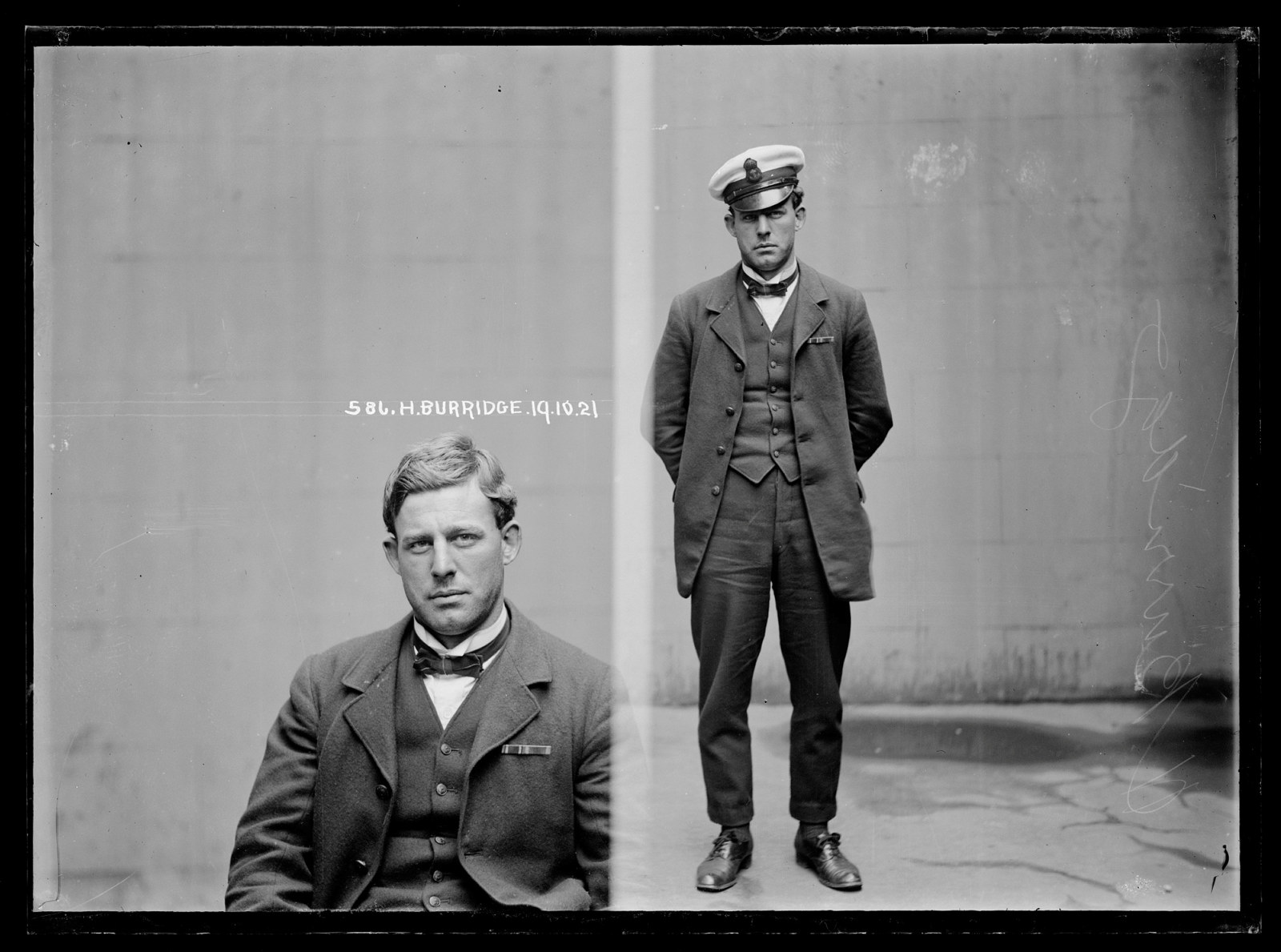
A dubious defence
On 19 October 1921 Herbert Burridge was listed in the New South Wales Police Gazette as a deserter from HMAS Cerberus

A life in crime
Curator Nerida Campbell has got the dream job – rummaging through the grit and grime of Sydney’s criminal past to help us to come to terms with the city’s dark side

Permanent display
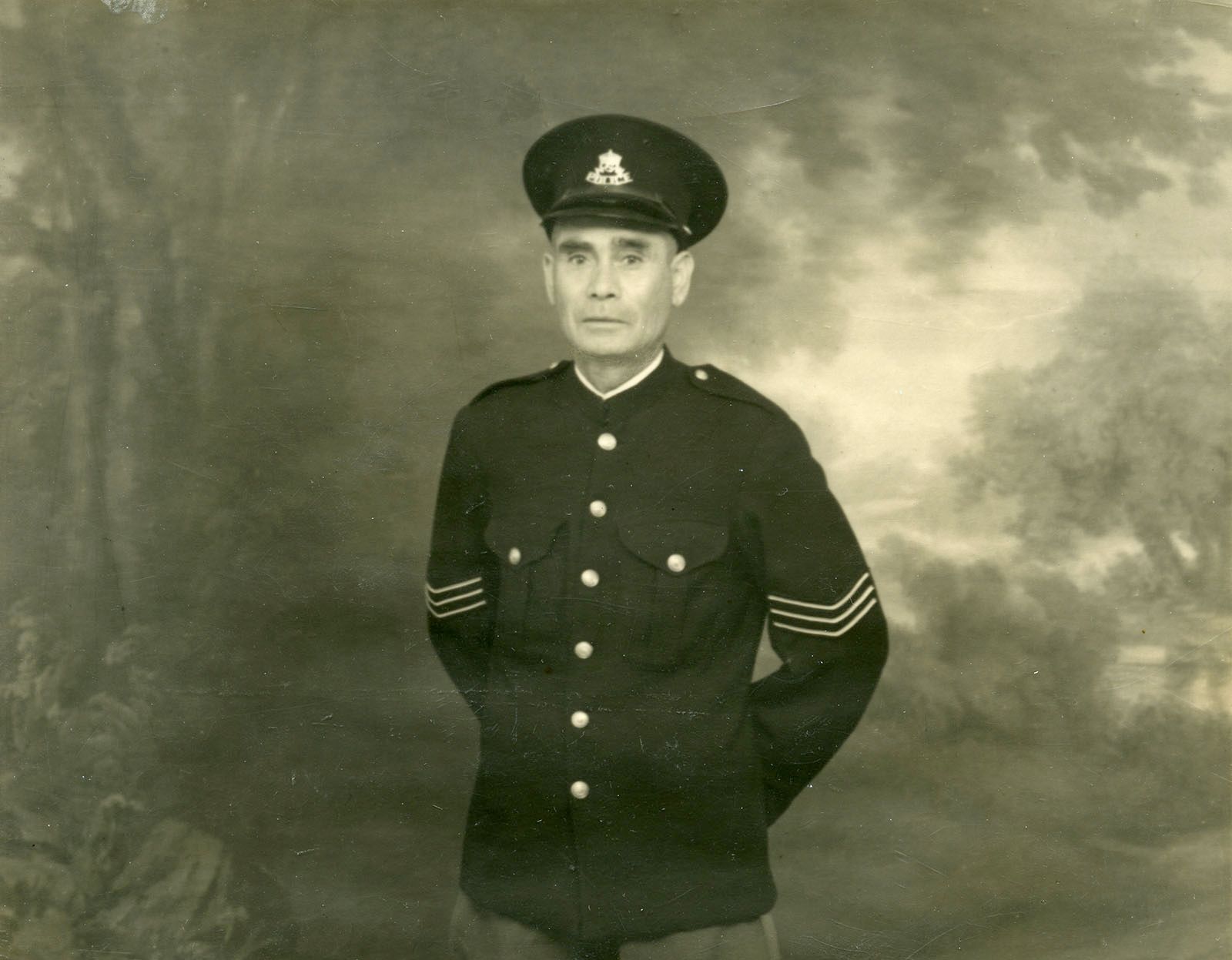
Alexander Riley, legendary Aboriginal police tracker
The remarkable talents of Aboriginal trackers who worked for NSW Police in the 20th century are featured in a display at the Justice & Police Museum
Monday 18 September
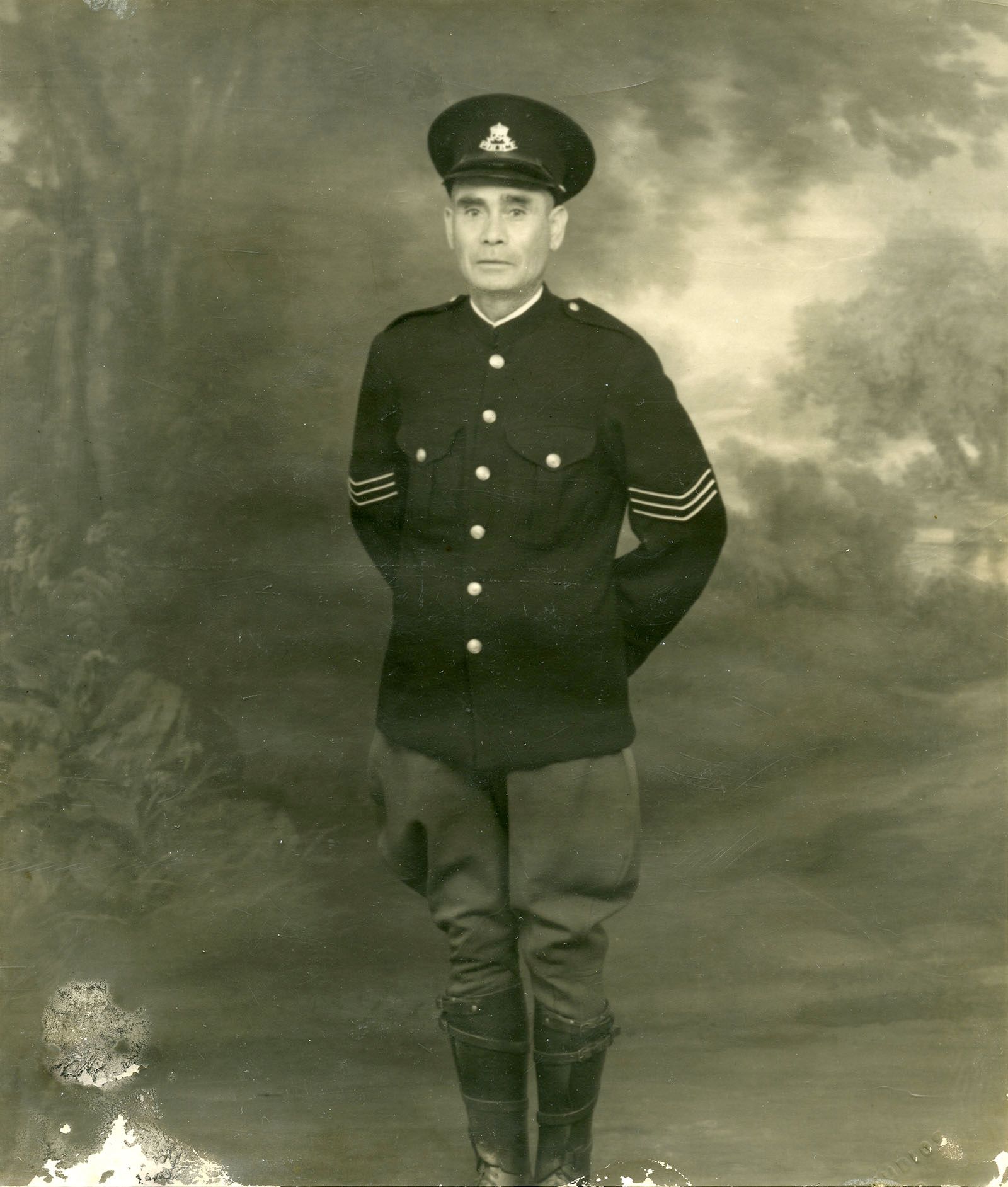
Alexander Riley, legendary Aboriginal police tracker
The remarkable talents of Aboriginal trackers who worked for NSW Police in the 20th century are featured in a display at the Justice & Police Museum
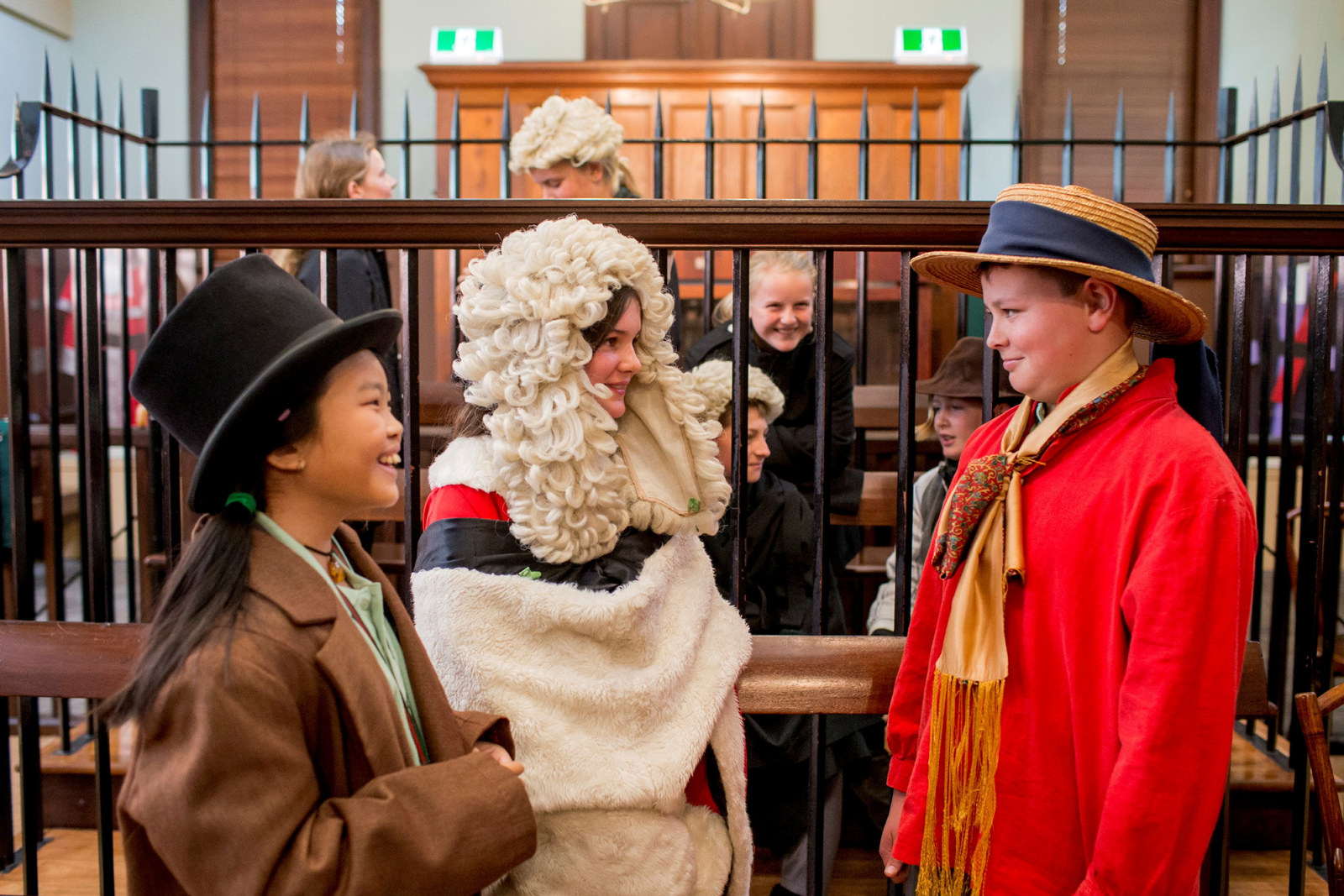
Onsite
Bailed Up!
Students explore the impact of the gold rush on law and order in the colony of NSW, and of bushrangers on the Australian identity
Underworld
Behind the scenes: How to read a ‘special’
Around the world, police forces followed established conventions when taking mugshots. But Sydney police in the 1920s did things differently