Marcus Clark & Co
From a modest start in the Sydney suburb of Newtown in 1883, Marcus Clark & Co rose to become one of the city's largest department stores with a network of branches in towns and suburbs across Australia.
Henry Marcus Clark (1859-1913) established the company when he purchased the drapery business of his former employer, John Kingsbury. The business quickly expanded, trebling itself within five years, and soon opened new stores in Marrickville and Bondi Junction. In the Sydney Sands directory for 1894, Marcus Clark was listed as a "wholesale and retail draper, tailor, milliner, boot warehouse and fancy repository; the largest, best lighted and most comfortable establishment in Newtown, the floor space covering nearly an acre."
In 1896 Marcus Clark & Co opened a store closer to the city on the corner of George & Harris Street near Railway Square. It was, however, a slightly different concept as it stocked less expensive wares than its other stores and was given the name Bon Marche, a reference to the famous Parisian department store (but also the name of the store in Liverpool, England where Henry Marcus Clark was apprenticed). The success of the store led to a larger building being constructed on the site in 1909 but also influenced Marcus Clark to build more stores around Railway Square.
Marcus Clark & Co made arguably its biggest and most lasting mark on Sydney in 1906 when the James Nangle-designed Central Square building, known as the flat-iron building, was erected on the corner of George and Pitt Streets, Railway Square, on the site of an early toll-gate. For all visitors entering the city from the south it was an impressive sight: a landmark nine-storey structure of 150 feet in height, the tallest in Sydney at the time. It was probably also about this time that the company's stock expanded greatly: a catalogue from around 1910 (TCQ 749.20491 CLA) lists departments ranging from manchester to ironmongery, musical instruments to stationery.
Henry Marcus Clark’s early experience in Newtown may have alerted him to the advantages of regional and suburban retailing. Although a number of retailers opened branches outside the city after World War II, Marcus Clark & Co’s growth was unprecedented: the 1915 Sydney Sands directory listed stores in Newtown, North Sydney, Armidale, Dubbo, Goulburn, Gunnedah, Inverell, Lismore, Lithgow, Narrabri, Newcastle, Nowra, Tamworth and Wollongong. Many of these country locations were actually modest sized ‘sample rooms’ rather than large stores. However, they could still provide customers with personalized service and competed directly with city retailers like Anthony Hordern & Sons which made large profits from the lucrative mail order trade. Country customers could order goods and have them shipped from Marcus Clark & Co’s city stores, conveniently located next to the parcels post office at Central Railway.
Many department stores of the early twentieth century had their own manufacturing facilities. Marcus Clark & Co's manufactures included timber and cane furniture, quilts and bedding. The colourful 1920s 'New Century' down and kapok quilts catalogue (TC 643.53 CLA/20) emphasised the company's local production.
Marcus Clark & Co emphasised value for money, like many department stores of the day. The preface to a furniture catalogue from around 1914 (TC 749.20491 CLA/14) states that "you can very likely get more timber and upholstery for your money – but nowhere can you purchase more lasting satisfaction and furniture friendliness." By this date, a new furniture showroom had been constructed, also on Railway Square, to be extended in 1928 by architects Spain & Cosh into another impressive 10-storey building with clock tower.
On the death of Henry Marcus Clark in 1913, his son Reginald Marcus Clark (1883-1953), who was knighted in 1939 and then known as Sir Marcus Clark, took over the business. The company continued in family hands until taken over by rival department store, Waltons, in 1966. Marcus Clark's Bon Marche store had already closed in 1961 and moved to the Sydney suburb of Liverpool and the Railway Square store closed in July 1965.
Related materials:
To see all the Marcus Clark material held by the Caroline Simpson Library & Research Collection, go to the library catalogue. View this fully digitised catalogue on Internet Archive.
More home furnishings stores
Sydney's home furnishing stores
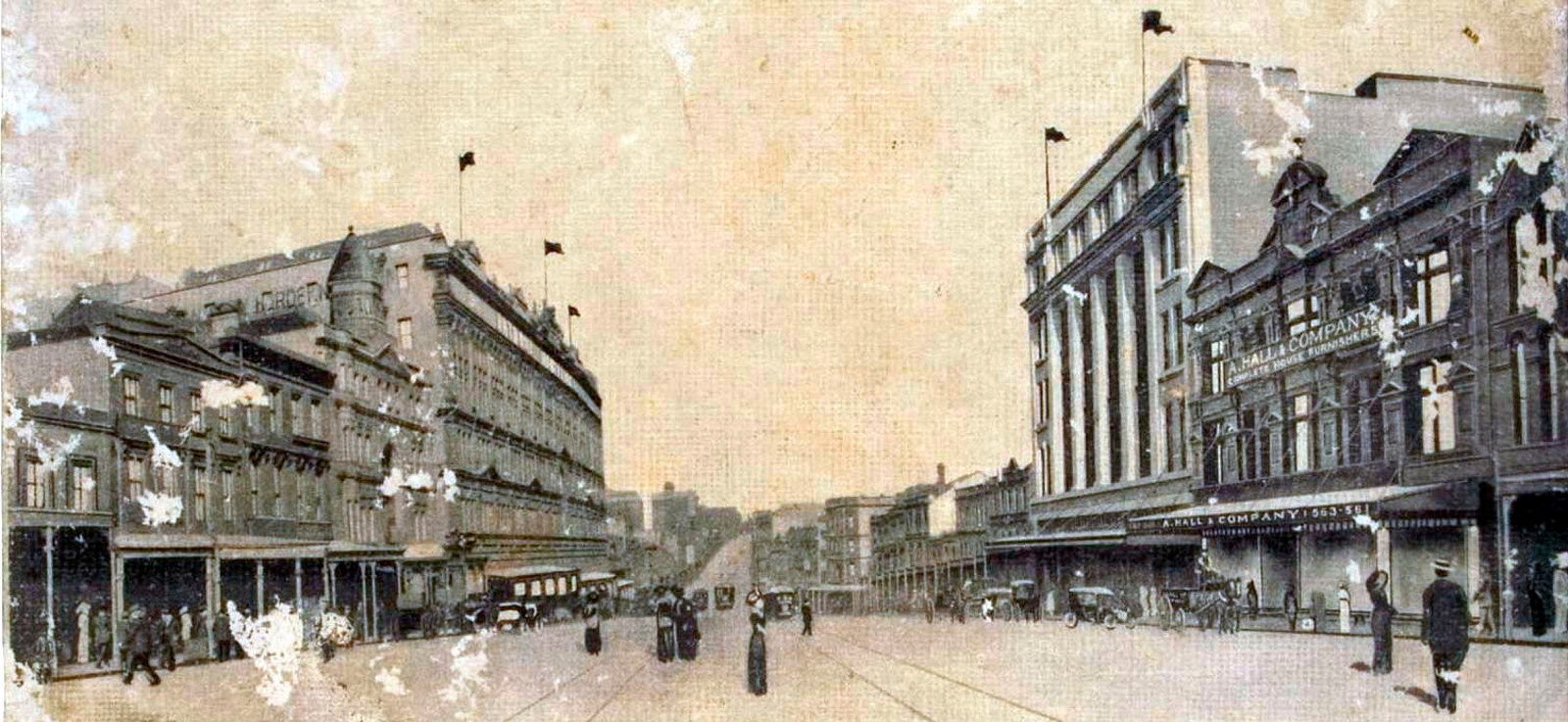
A Hall & Co
A Hall & Co was a retailer of home furnishings and manufacturer of furniture.
Sydney's home furnishing stores
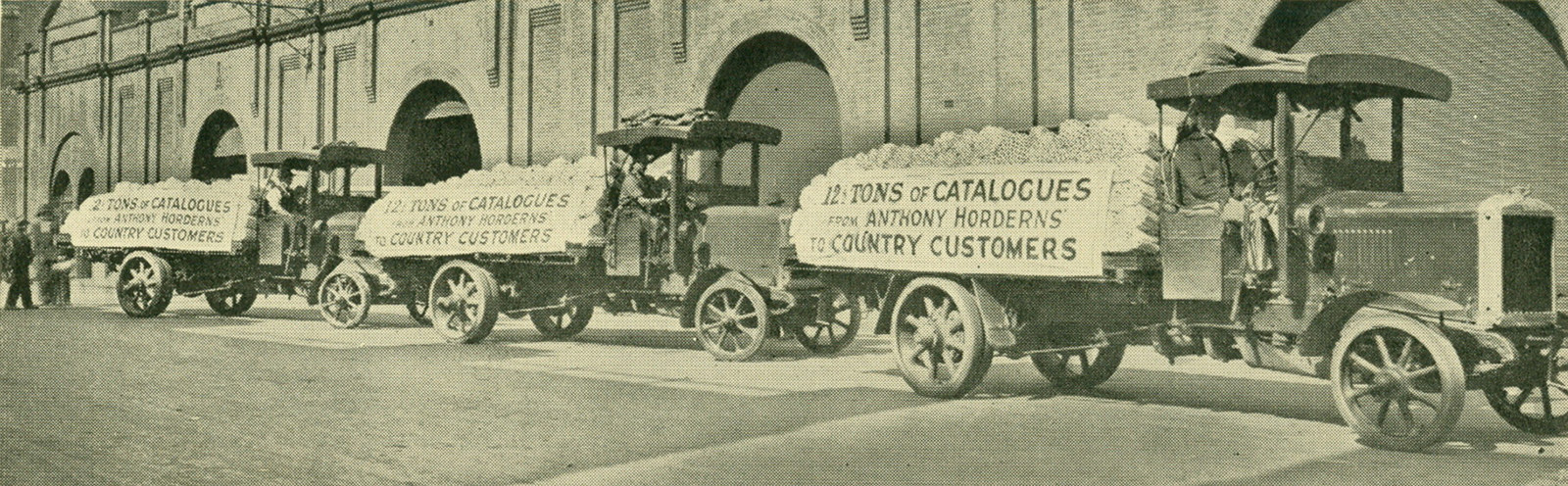
Anthony Hordern & Sons
Anthony Hordern & Sons was arguably Australia's largest retailer from the late 19th through to the mid-20th century.
Sydney's home furnishing stores
Beard Watson & Co
Beard Watson & Co was renowned in Sydney as a retailer and manufacturer of high-class furnishings for the home.
Sydney's home furnishing stores
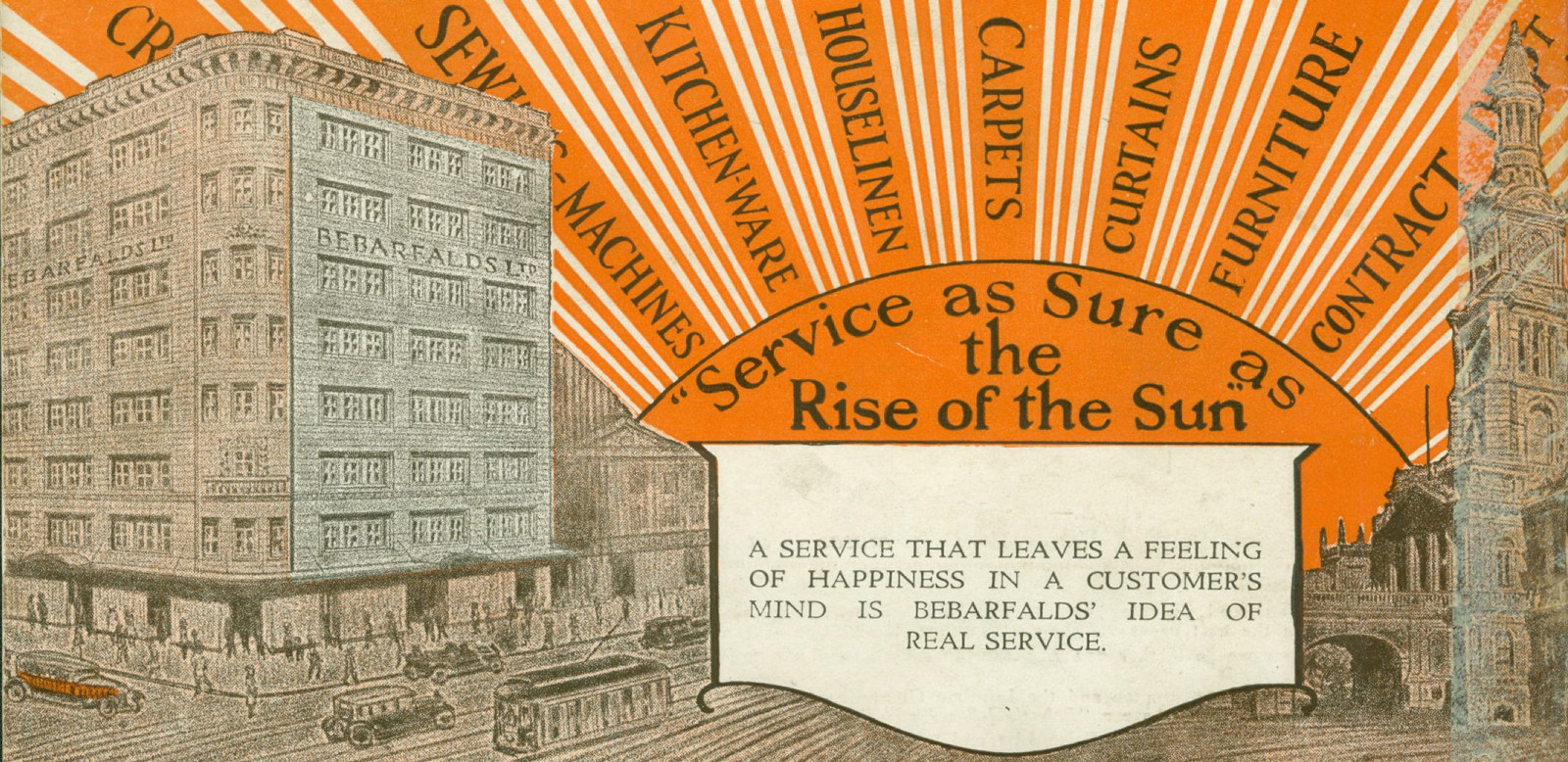
Bebarfalds
Bebarfalds was a retailer of home furnishings and manufacturer of furniture, trading for many years from its landmark location opposite the Sydney Town Hall on the corner of George and Park Streets.
Sydney's home furnishing stores
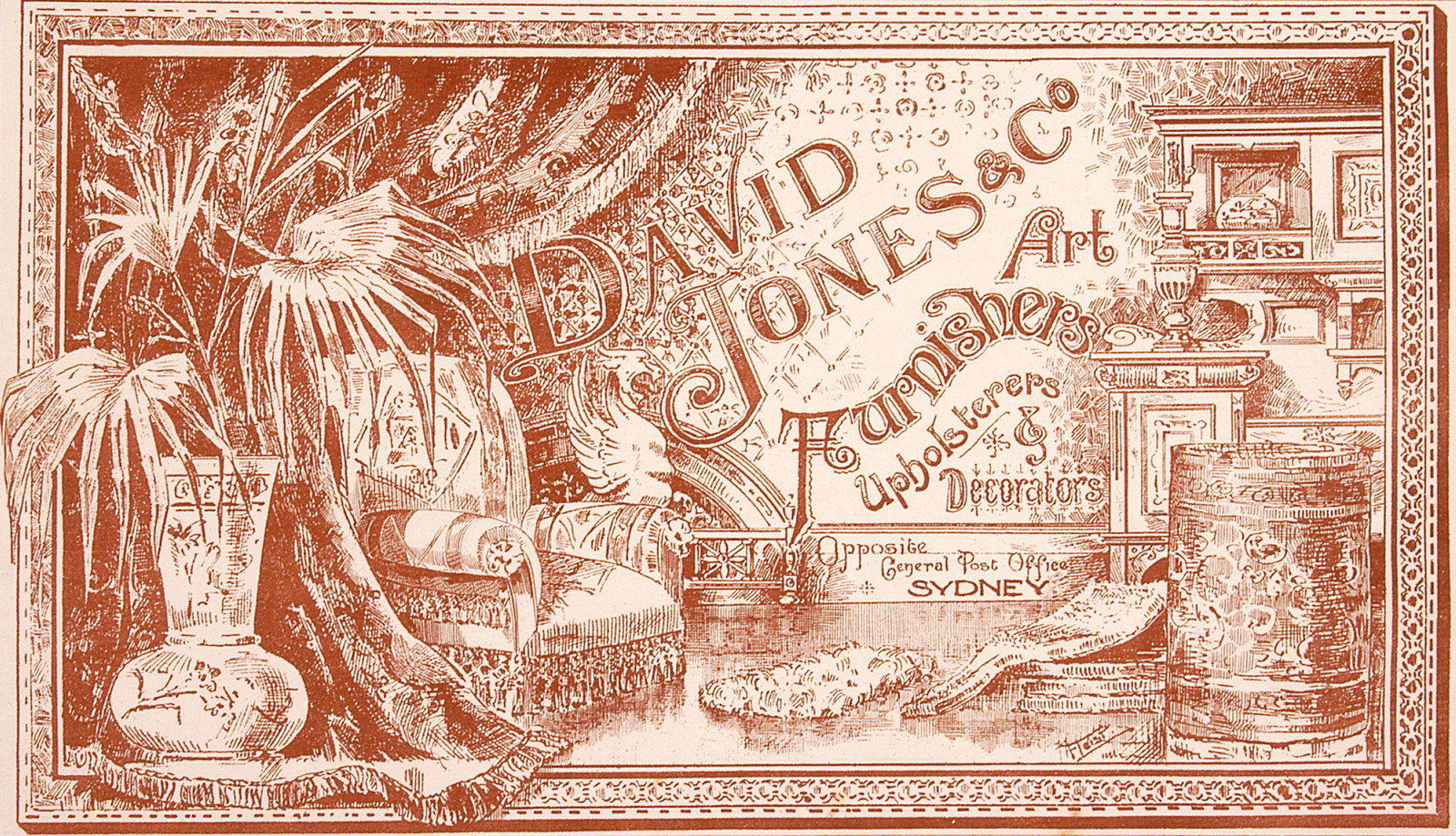
David Jones
The David Jones name has long been synonymous with retailing of fine merchandise
Sydney's home furnishing stores
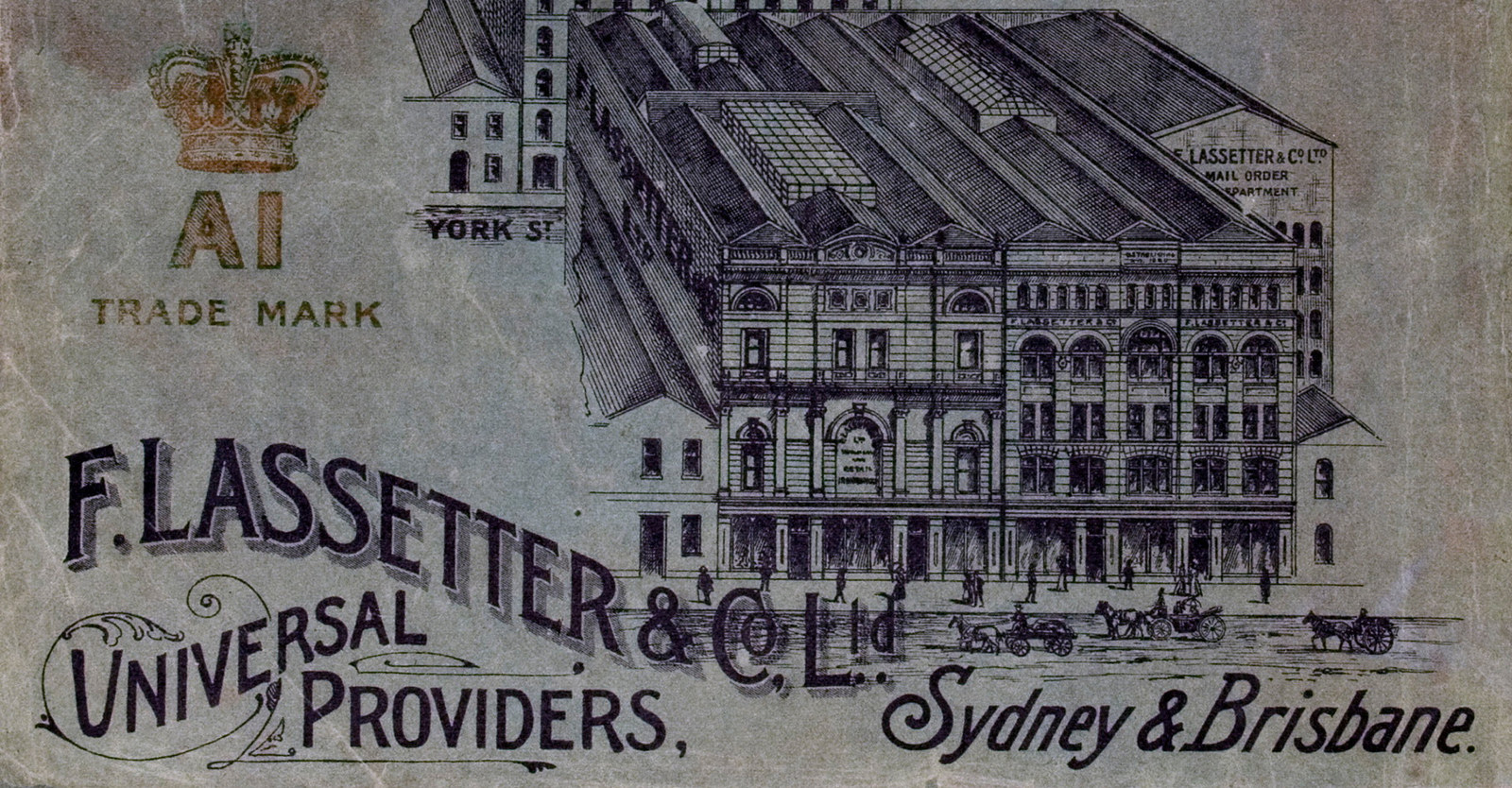
F Lassetter & Co
F Lassetter & Co started life as an ironmongery business, becoming one of Sydney's largest 'universal providers' by the end of the 19th century
Sydney's home furnishing stores
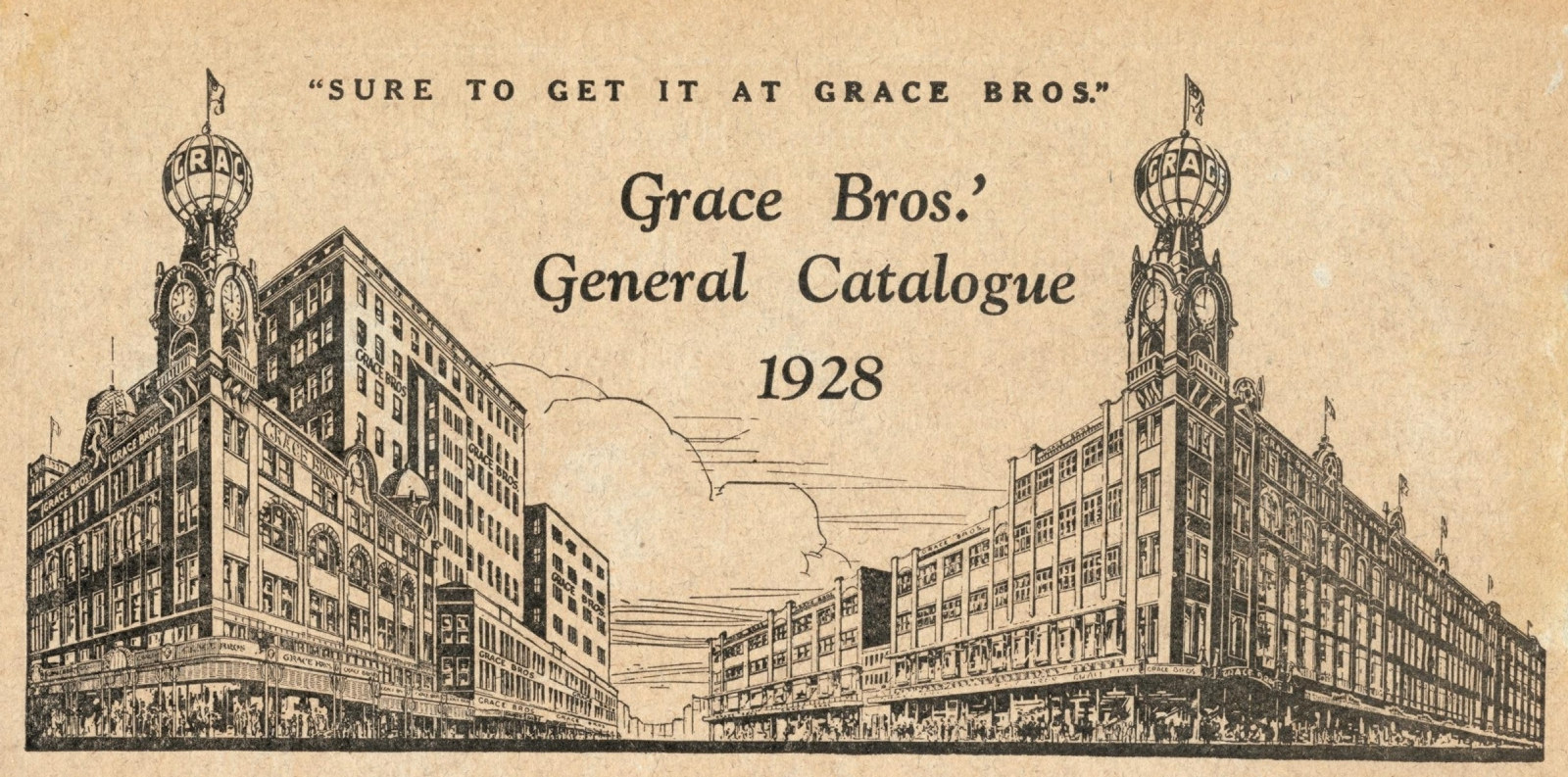
Grace Bros
From its location just outside Sydney’s main business district, Grace Bros grew to become one of the city’s largest department stores.
Sydney's home furnishing stores
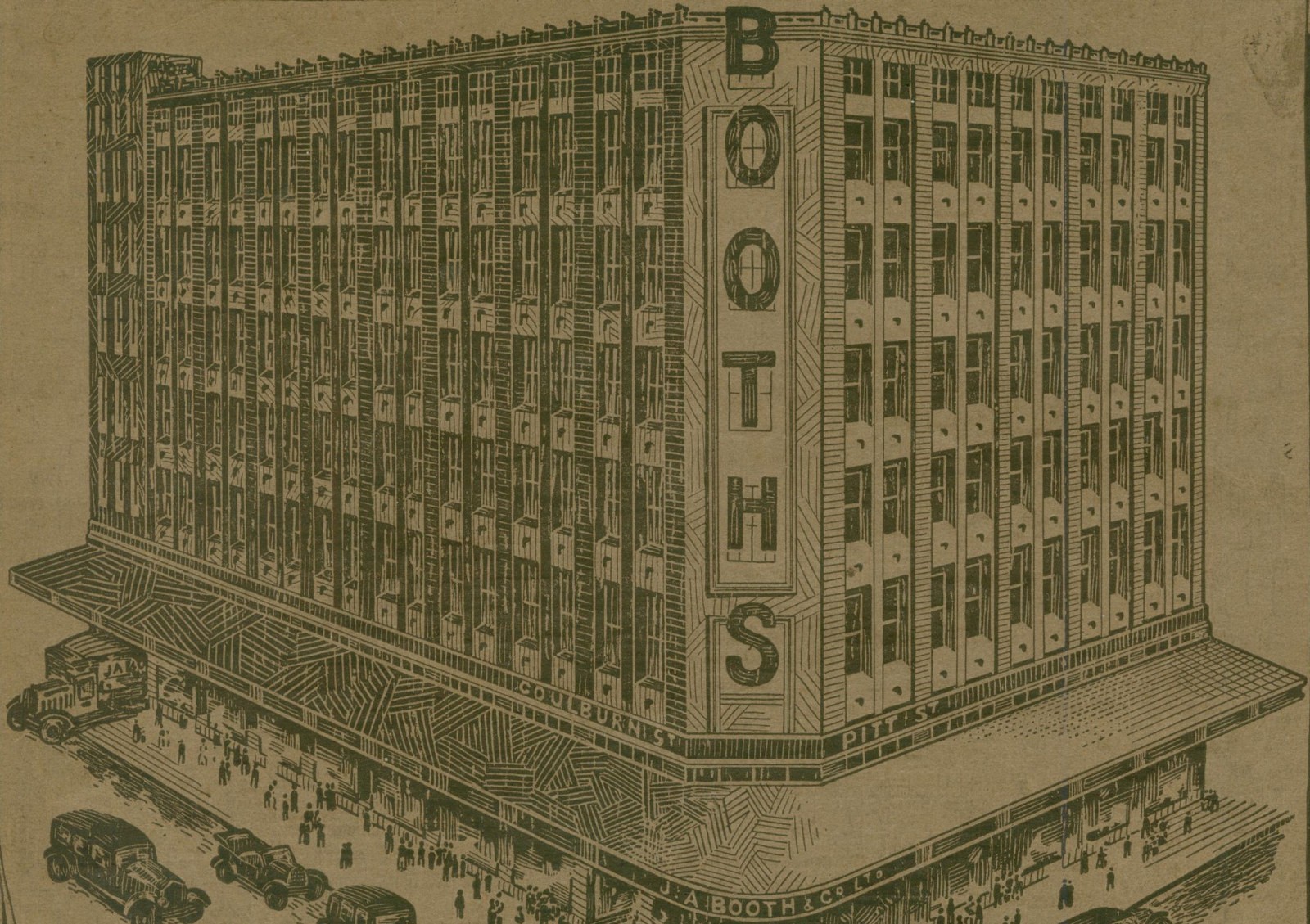
JA Booth & Co
Although J A Booth & Co was a Sydney furniture and furnishing retailer for over 50 years, the company started life in a very different manner: as tea merchants.
Sydney's home furnishing stores
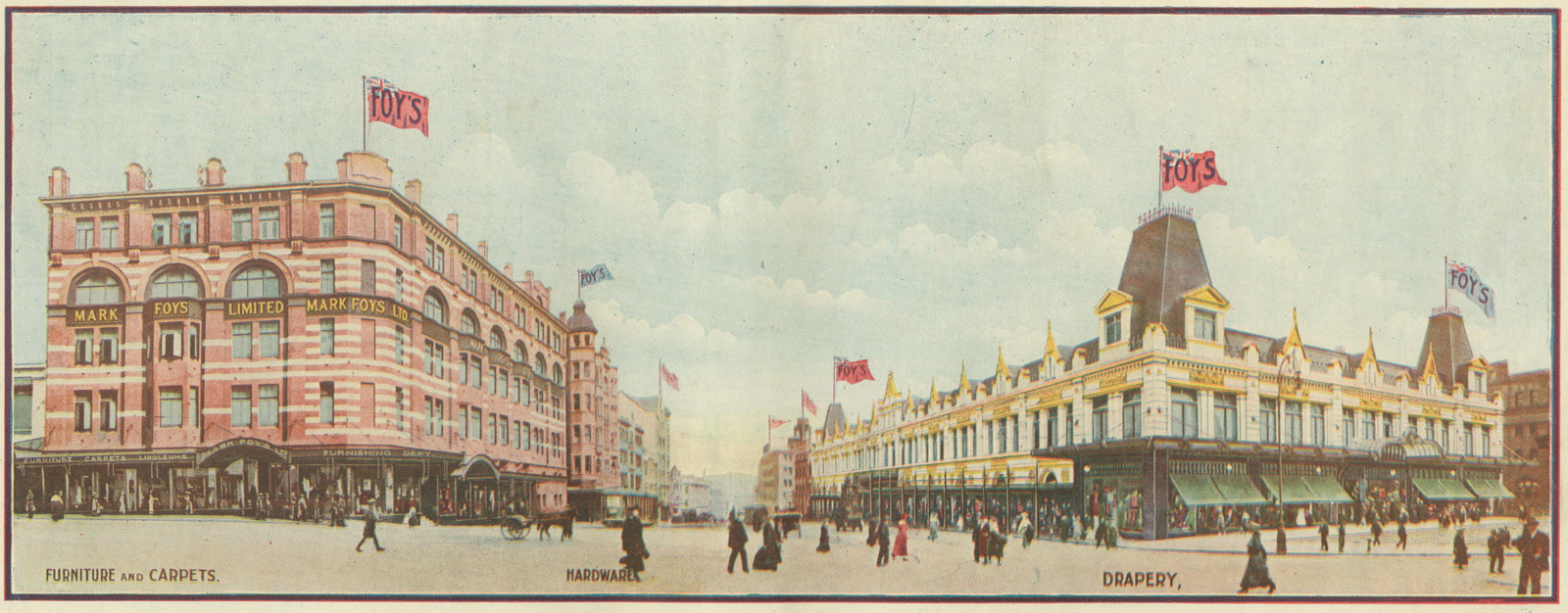
Mark Foyʼs
Most Sydneysiders associate Mark Foy’s with its impressive former home, now used as the District Court
Published on

Michael Lech
Curator
Michael Lech is a curator at MHNSW. He has worked on exhibitions, presented talks and written extensively on various aspects of the history of the home in Australia. Michael’s work has covered areas such as interior design, the history of wallpapers and furnishing textiles, the heritage movement, Sydney’s department stores and design history in Australia.