Papier mâché cornice
Rather than a plaster cornice, why not try papier mâché?
In the mid-19th century, papier mâché was used as an alternative to plaster for architectural mouldings like cornices and ceiling roses. It was first imported into Australia in the 1830s and was soon installed into houses like the Scott brothers’ Glendon near Singleton, TS Mort’s Greenoaks (now Bishopscourt) at Darling Point and Edward Cox’s Fernhill at Mulgoa.
Papier mâché had long been made into smaller decorative items like snuff boxes, trays and picture frames, which were usually lacquered and painted. But once manufacturing techniques improved, papier mâché proved itself ideal for architectural ornament as it was light, strong, easily fitted and could be moulded into a myriad of designs. Once installed, it did not need to dry (like plaster) before being painted, gilded or grained.
Papier mâché was made by pulping or layering paper with various binders and additives, then pressing it into moulds, waterproofing and hardening it with linseed oil before being dried. The English were the main manufacturers of papier mâché for architectural ornament. In addition to a variety of wall and ceiling mouldings in various styles, Charles F Bielefeld used papier mâché to manufacture complete columns, corbels, ceiling centres and frames for mirrors and pictures. By 1847, Bielefeld employed ‘not less than one hundred’ staff and began experimenting with larger papier mâché constructions. Bielefeld made giant Corinthian capitals, 22 feet in circumference, for an Australian bank, as well as large panels for steamships and even complete prefabricated houses.
Although papier mâché remained well used for architectural mouldings in England throughout the 19th century, in Australia the development of hemp-reinforced plaster meant that papier mâché was seldom used beyond the 1860s.
Published on

Michael Lech
Curator
Michael Lech is a curator at MHNSW. He has worked on exhibitions, presented talks and written extensively on various aspects of the history of the home in Australia. Michael’s work has covered areas such as interior design, the history of wallpapers and furnishing textiles, the heritage movement, Sydney’s department stores and design history in Australia.
Related
The Wasmuth Portfolio
Frank Lloyd Wright’s Wasmuth Portfolio, is regarded as one of the most influential architectural treatises of the 20th century
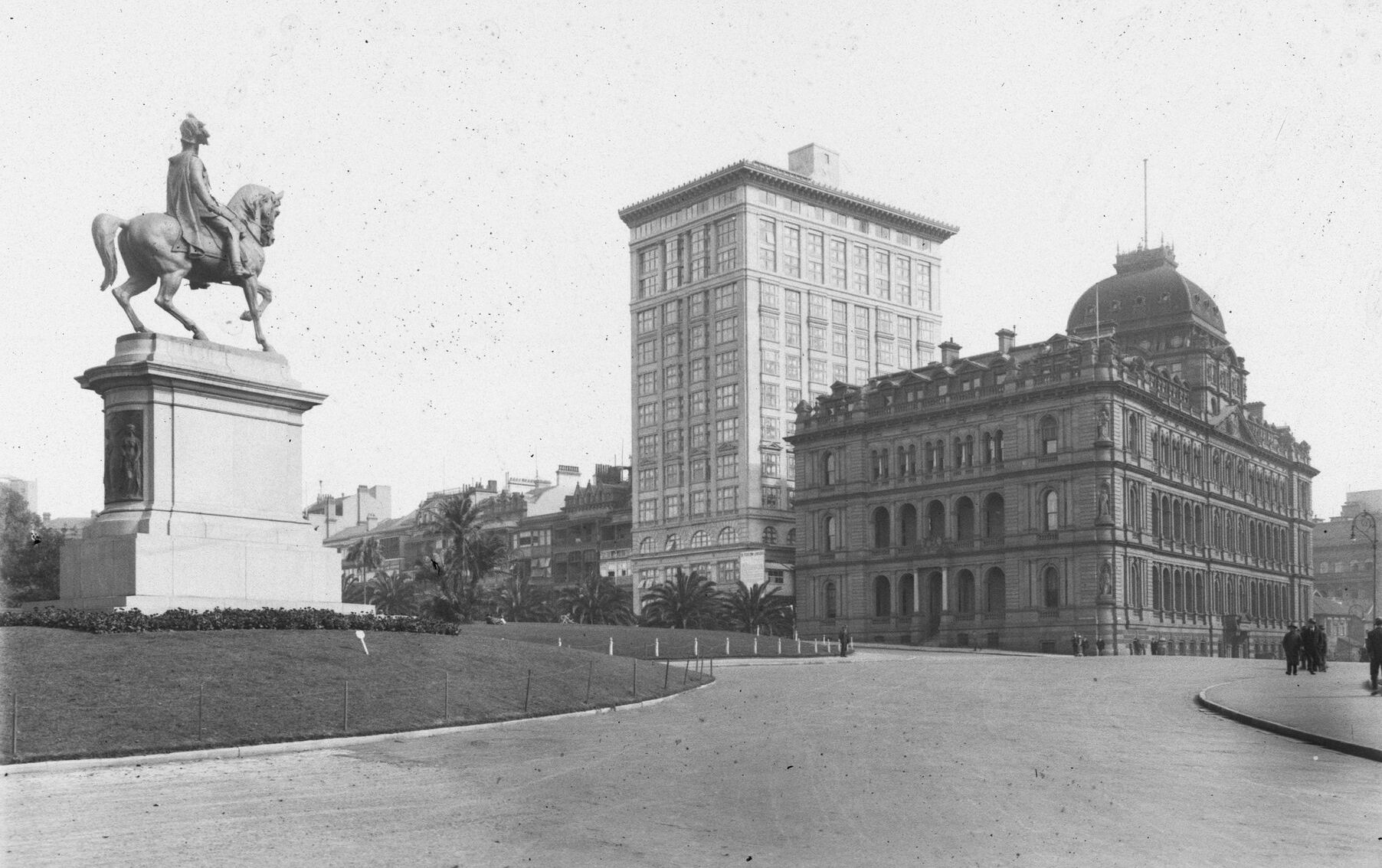
The Astor, 1923–2023
Upon completion in 1923, The Astor in Sydney's Macquarie Stree twas the largest reinforced concrete building in Australia, the tallest residential block, and this country’s first company title residences

City of Gods, my early experience and toy boat
Inspired by a watercolour of the ruins of the temple of Vishnu, refugee curator in residence Jagath Dheerasekara writes about Devinuvara as a site of pilgrimage, colonisation and uprising