Vaucluse House


Growing the living collection – camellias at Vaucluse House
At Vaucluse House, Museums of History NSW cares for a highly significant collection of historical camellias, including several rare cultivars dating back to the mid-19th century
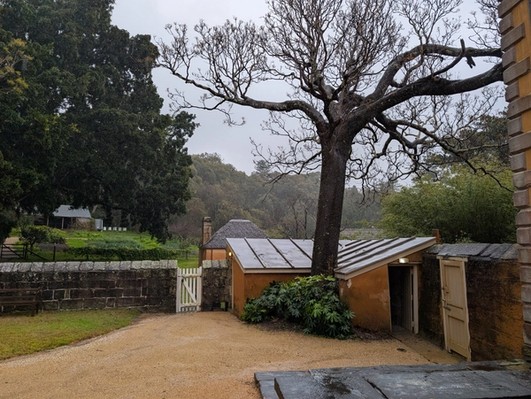
Conservation in action: Vaucluse House outbuilding conservation works
Dating from around 1840, these outbuildings are in the service yard, the historical core of household service activities at Vaucluse House

Conservation in action: Wentworth Mausoleum conservation works
Completed in 1874, the Wentworth Mausoleum is a rare and significant example of private Victorian funerary architecture in Australia
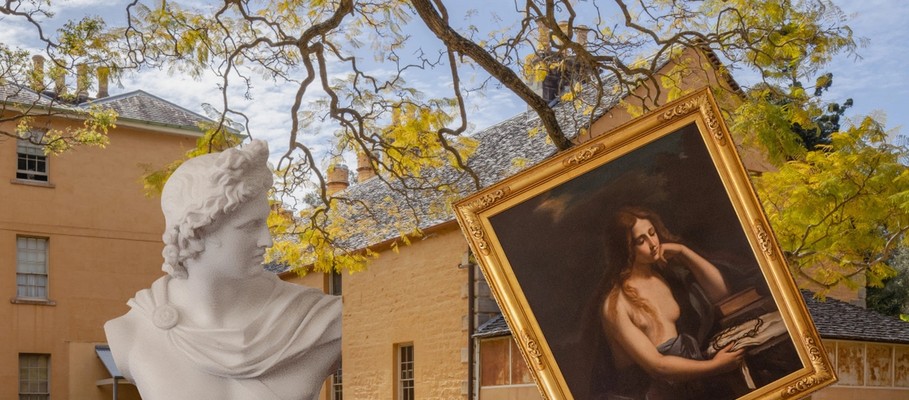
Creatives selected for inaugural Vaucluse House Creative and Cultural Residency
Museums of History NSW is pleased to announce the four creatives who will be participating in the inaugural Vaucluse House Creative and Cultural Residency program
Conservation
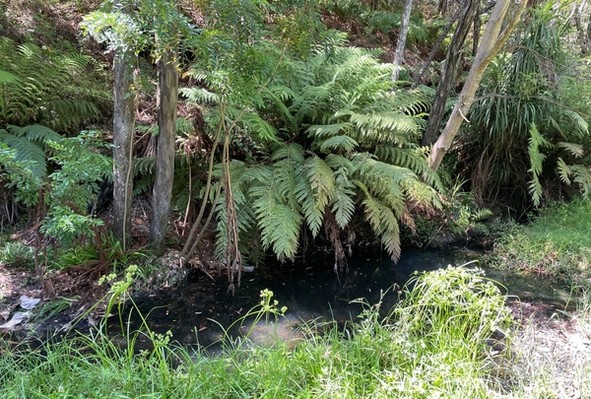
Conservation in action: Vaucluse House waterfall, ponds and rill
The Vaucluse House Waterfall, Ponds and Rill Conservation Project will preserve the integrity and heritage significance of these important features of the estate. It was made possible by the generous support of the F&K De Angeli Foundation
Conservation
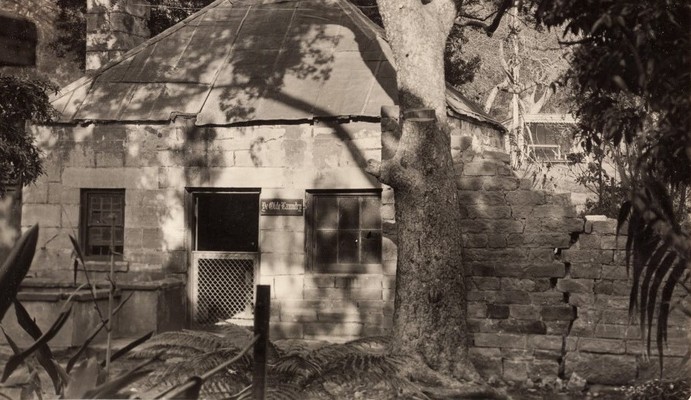
Conservation in action: Vaucluse House ancillary buildings remediation
Museums of History NSW (MHNSW) is currently undertaking essential conservation works on the 1830s former store, laundry and water tank at Vaucluse House

Convict Sydney
Harbourside Gothic: The convict origins of Vaucluse House
Its architectural style is not all that is gothic about Vaucluse House. Discover the dark history of the house’s first owner, Henry Browne Hayes

The coolest room in the house
What practical techniques can we learn from historical building design to minimise heat and energy consumption in our homes today?